Some homeschool days, sitting down for another worksheet isn't what anyone wants to do. Those are usually the days when pulling a game off the shelf can completely change the mood around the table.
One of the things I love about educational board games is that they don't necessarily have to look educational. A game of Yahtzee turns into addition and multiplication practice. Scrabble gets everyone thinking about spelling and vocabulary. Even a simple game of Uno has younger kids matching colors, recognizing numbers, and figuring out which card they should play next.
Adding a few homeschool board games to your week is an easy way to change up your regular routine while still giving kids plenty of opportunities to learn. Whether you call it gameschooling, game day, or simply taking the afternoon off to play together, there's a surprising amount of learning happening around that game board.
New to gameschooling? Start with our guide to what gameschooling is and how to use it in your homeschool, then come back here to find some games to try.
Why Use Board Games in Your Homeschool?
Board games are one of those activities that can fit into your homeschool in so many different ways. You can pull out a quick game after lunch, use one when everyone needs a break from the regular routine, or make Friday afternoon your family game day.
And you don't need a shelf filled with games labeled "educational." Many of the games families already know and enjoy can help kids practice important skills.
Depending on what you're playing, educational board games for kids can naturally work on:
- Math and number sense
- Reading and spelling
- Vocabulary
- Geography
- Money skills
- Patterns and sequencing
- Logic and critical thinking
- Problem-solving
- Communication
- Strategy and planning
- Taking turns
- Patience and good sportsmanship
The best part is that you don't have to turn the game into a lesson. Play it, have fun together, and let the learning happen along the way.
Educational Board Games for Math
Math is probably one of the easiest subjects to practice through games. Dice, money, scoring, counting spaces, comparing numbers, and keeping track of points all give kids opportunities to use math in a way that has a purpose.
1. Yahtzee
Yahtzee has been around for years, and it's a great one to keep around for homeschool game days. Kids roll the dice, decide which numbers to keep, add their scores, and start thinking about the likelihood of rolling the combinations they need.
What kids are learning:
- Addition
- Multiplication
- Mental math
- Number recognition
- Comparing numbers
- Probability
- Decision-making
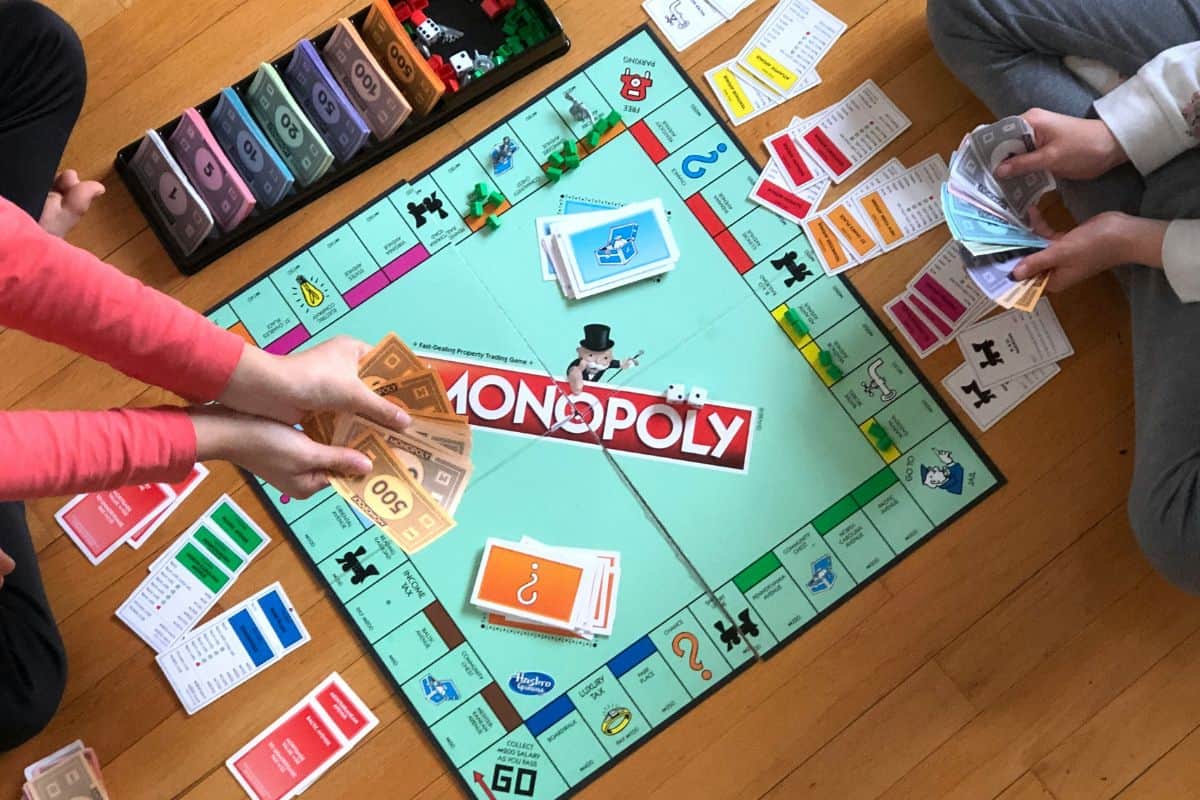
2. Monopoly
There's quite a bit of math happening while everyone is busy buying properties and collecting rent. Kids are counting money, making change, adding up purchases, and deciding whether they have enough money to buy another property.
What kids are learning:
- Counting money
- Addition and subtraction
- Making change
- Comparing values
- Budgeting
- Planning ahead
- Decision-making
3. Rummikub
Rummikub gets kids working with numbers and patterns as they create sets and runs with their tiles. Since the board keeps changing, they also have to look for new combinations throughout the game.
What kids are learning:
- Number recognition
- Number sequences
- Patterns
- Logical thinking
- Strategy
- Problem-solving
4. Sum Swamp
For younger homeschoolers working on basic math facts, Sum Swamp makes addition and subtraction practice feel much more like play.
What kids are learning:
- Addition
- Subtraction
- Basic math facts
- Number recognition
- Odd and even numbers
- Following directions
5. Money Bags
Learning to recognize coins and understand their values can take practice. Money Bags gives younger kids a chance to handle pretend money and figure out different ways to make the amounts they need.
What kids are learning:
- Coin recognition
- Counting money
- Addition
- Comparing coin values
- Making equivalent amounts
- Number sense
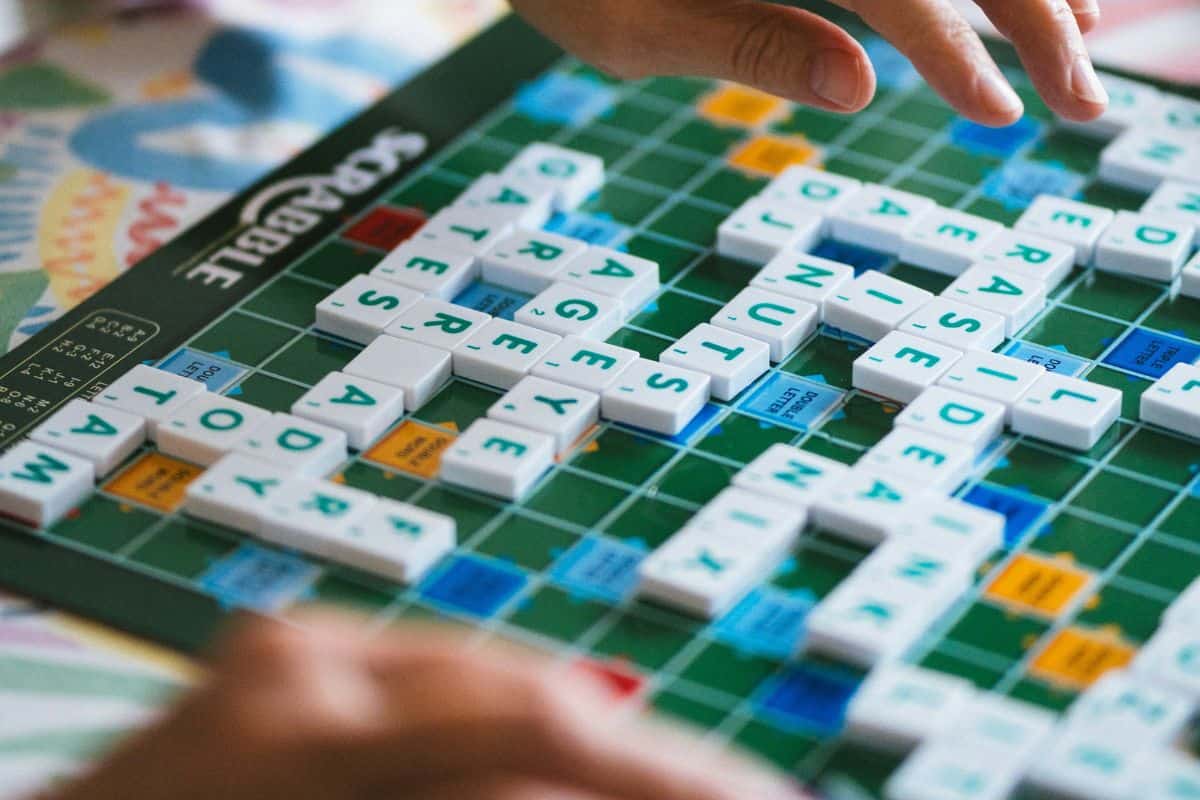
Educational Board Games for Reading and Language Arts
Word games are an easy way to add spelling, vocabulary, and reading practice to your homeschool without pulling out another workbook.
6. Scrabble
Scrabble gets everyone looking at letters a little differently. Kids have to take what they've been given and figure out which words they can build while also looking for places those words will fit on the board.
For younger kids, you can always relax some of the official rules and work on creating words together.
What kids are learning:
- Spelling
- Vocabulary
- Word building
- Letter recognition
- Reading
- Addition
7. Boggle
Shake up the letters, flip the timer, and start looking for words. Boggle encourages kids to recognize familiar letter combinations and find words quickly.
What kids are learning:
- Spelling
- Vocabulary
- Word recognition
- Letter patterns
- Visual scanning
- Concentration
8. Bananagrams
Bananagrams is nice to have around because there's very little setup involved. Kids use their tiles to create connected words, then rearrange everything when they need to make another letter fit.
What kids are learning:
- Spelling
- Vocabulary
- Word building
- Letter patterns
- Flexible thinking
- Problem-solving
9. Guess Who?
Guess Who? might not look like a language arts activity, but listen to all the questions kids ask while playing. They're describing people, comparing characteristics, listening carefully to answers, and deciding which question to ask next.
What kids are learning:
- Asking questions
- Descriptive language
- Listening skills
- Comparing attributes
- Communication
- Deductive reasoning
10. Zingo!
Zingo! is especially fun for beginning readers. Kids match tiles with the pictures and words on their cards while practicing recognition skills along the way.
What kids are learning:
- Early reading
- Word recognition
- Vocabulary
- Matching
- Concentration
- Taking turns
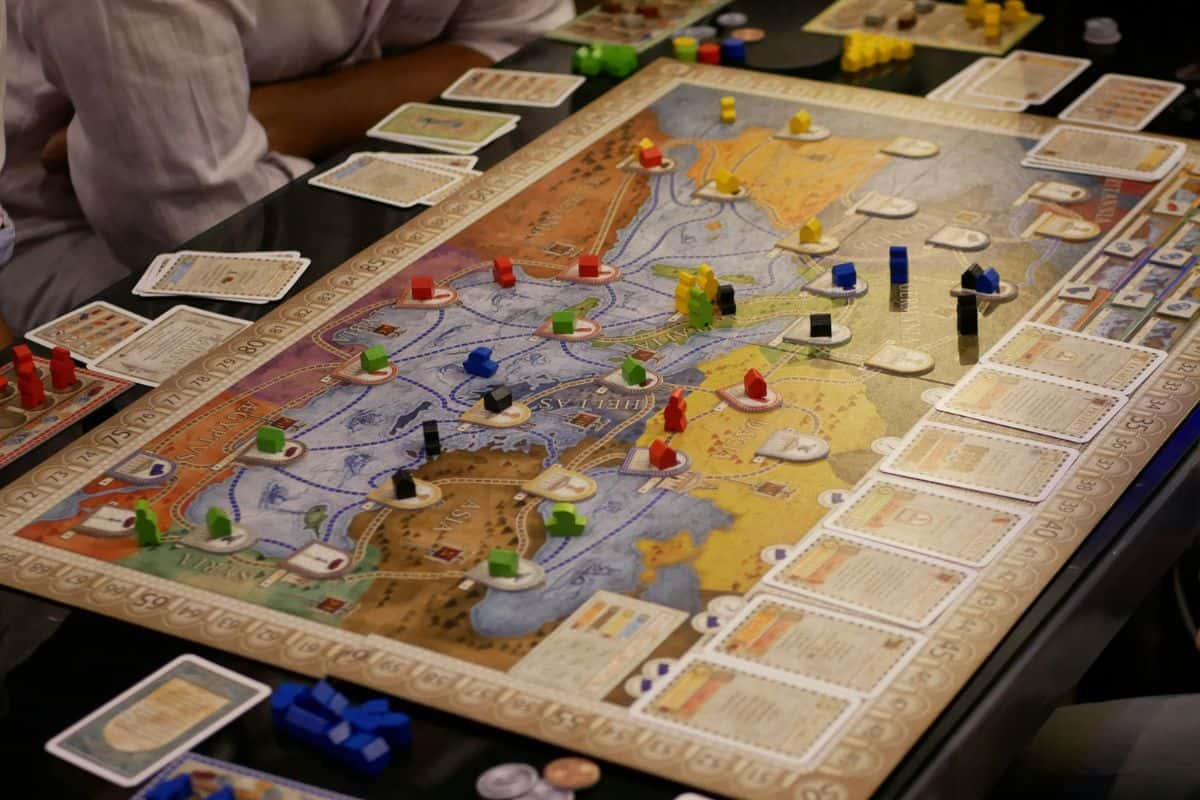
Educational Board Games for Geography and Everyday Skills
Some learning board games don't fit neatly into math or reading. They can introduce geography, money, coordinates, and other skills kids will use beyond their homeschool lessons.
11. Ticket to Ride
Ticket to Ride is a fun one to add to your homeschool shelf if you're working on geography. As kids build train routes between cities, they're also spending quite a bit of time looking at a map.
If a particular city catches everyone's attention, grab an atlas afterward and find out more about it. Those little rabbit trails are part of what makes homeschooling fun.
What kids are learning:
- Geography
- Map awareness
- Planning
- Counting
- Strategy
- Problem-solving
- Decision-making
12. The Game of Life
Real life certainly doesn't happen exactly the way it does in The Game of Life, but the game can still lead to some interesting conversations about money, jobs, expenses, and choices.
What kids are learning:
- Money concepts
- Counting
- Comparing choices
- Decision-making
- Cause and effect
- Basic financial concepts
13. Battleship
Battleship gives kids hands-on practice working with grids and coordinates as they try to figure out where their opponent's ships are hiding.
What kids are learning:
- Coordinates
- Grid reading
- Spatial awareness
- Logical thinking
- Strategy
- Deductive reasoning
See more: Geography Board Games + Geography Card Games for Kids
Board Games for Logic and Critical Thinking
Logic and strategy games are some of my favorite educational board games for learning because kids often don't realize just how much thinking they're doing. They're planning ahead, watching other players, changing strategies, and solving little problems throughout the entire game.
14. Clue
Someone did it, somewhere, with something, and now everyone has to figure out what happened. Clue gives kids plenty of opportunities to gather information and eliminate possibilities.
What kids are learning:
- Deductive reasoning
- Logic
- Note-taking
- Eliminating possibilities
- Attention to detail
- Critical thinking
15. Chess
Even when kids are only beginning to learn chess, they're practicing how to think ahead. Each move changes what can happen next, which makes kids stop and consider the possible consequences before moving a piece.
What kids are learning:
- Strategy
- Planning ahead
- Concentration
- Logic
- Problem-solving
- Cause and effect
16. Checkers
Checkers is a little easier to learn than chess, making it a good starting point for kids who are new to strategy games.
What kids are learning:
- Strategy
- Pattern recognition
- Planning ahead
- Decision-making
- Problem-solving
- Concentration
17. Sequence
Sequence combines playing cards with a game board, so kids need to pay attention to both what's in their hand and what's happening on the board.
What kids are learning:
- Pattern recognition
- Strategy
- Visual discrimination
- Planning ahead
- Decision-making
- Attention to detail
18. Blokus
The colorful pieces make Blokus look simple at first, but it doesn't take long before everyone starts running out of space. Kids have to think about shapes, placement, and how one move may affect their options later.
What kids are learning:
- Spatial reasoning
- Geometry
- Strategy
- Problem-solving
- Planning ahead
- Visual thinking
19. Qwirkle
Qwirkle uses colors and shapes to create patterns on the table. Kids need to figure out where their tiles can go while also thinking about which moves might earn more points.
What kids are learning:
- Pattern recognition
- Colors and shapes
- Classification
- Logic
- Strategy
- Planning
20. SET
SET is all about looking closely. Players search the cards for sets based on characteristics such as color, number, shape, and shading.
What kids are learning:
- Pattern recognition
- Classification
- Visual perception
- Comparing attributes
- Attention to detail
- Quick thinking
21. Rush Hour
Rush Hour is more of a one-player logic game, but it's a great option for quiet time or independent homeschool work. Kids move cars and trucks around the grid until they figure out how to get the trapped car out.
What kids are learning:
- Logic
- Spatial reasoning
- Sequencing
- Problem-solving
- Planning ahead
- Persistence
22. Labyrinth
The maze keeps changing in Labyrinth, so kids can't make one plan and expect it to work until the end. They have to watch what's happening and adjust their route along the way.
What kids are learning:
- Spatial reasoning
- Visual tracking
- Planning
- Flexible thinking
- Problem-solving
- Strategy
Educational Board Games for Younger Kids
You don't have to wait until kids can read independently or handle complicated rules to start gameschooling. There are plenty of simple games that give younger kids practice with colors, numbers, matching, taking turns, and making decisions.
23. Uno
Uno is an easy game to introduce to younger kids who are learning their colors and numbers. Once they understand the rules, they'll also start figuring out when to play certain cards and which ones they might want to save.
What kids are learning:
- Number recognition
- Color recognition
- Matching
- Taking turns
- Strategy
- Following rules
24. Spot It!
Spot It! is quick enough to pull out when you only have a few minutes. Everyone searches the cards for matching symbols, and those matches can become surprisingly hard to find when you're racing someone else.
What kids are learning:
- Matching
- Visual discrimination
- Concentration
- Symbol recognition
- Attention to detail
- Processing information quickly
25. Outfoxed!
Outfoxed! is a cooperative game, which means everyone gets to work together instead of competing against each other. Players gather clues and eliminate suspects as they try to solve the mystery.
What kids are learning:
- Deductive reasoning
- Logic
- Cooperation
- Gathering information
- Problem-solving
- Communication
26. Hoot Owl Hoot!
Hoot Owl Hoot! is another cooperative option for younger homeschoolers. Everyone works together to help the owls get home before the sun comes up.
What kids are learning:
- Color recognition
- Planning ahead
- Cooperation
- Taking turns
- Decision-making
- Strategy
What Else Are Kids Learning While Playing Board Games?
When we think about educational board games for kids, it's easy to focus on things we can connect to school subjects. Yahtzee is math. Scrabble is spelling. Ticket to Ride can bring in geography.
But there's another side of gameschooling that's easy to overlook.
Kids have to wait while someone else takes a turn. They have to listen to directions. They make choices and sometimes discover that the move they thought was a great idea wasn't so great after all.
And, of course, sometimes they lose.
All of those little moments of playing education board games give kids opportunities to practice:
- Taking turns
- Patience
- Following directions
- Communication
- Working together
- Making decisions
- Changing strategies
- Problem-solving
- Handling disappointment
- Being a good sport
- Encouraging other players
- Trying again
There's no need to stop in the middle of the game and turn those moments into a lesson. Let kids experience them naturally. That's part of the learning too.